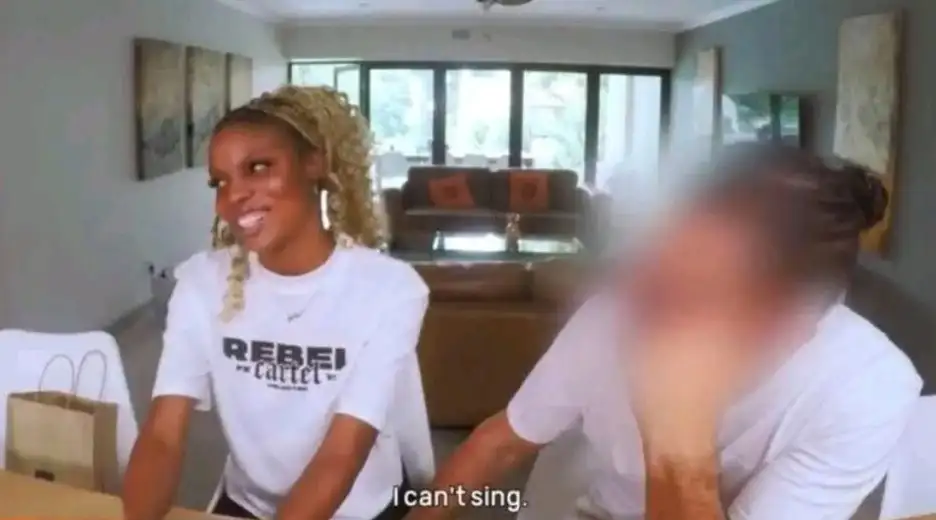

Another viral video has once again pushed South African social media into a heated debate, raising serious questions about online safety, consent, and the growing risk of digital exploitation. The discussion centers on a young woman who is allegedly connected to an online audition scandal that many users claim is linked to an a*ult-content network operating under the appearance of a modelling or casting agency. While the full truth has not yet been established in court, the incident has revived public concern about how easily vulnerable people can be targeted in the digital age.
Over the past few weeks, warnings shared across platforms such as X (formerly Twitter), TikTok, and Facebook have pointed to what users describe as a fake or misleading modelling operation commonly referred to online as “African Audition.” According to posts by crime awareness pages and community safety groups, the network allegedly uses attractive online advertisements promising modelling, acting, or entertainment opportunities. These ads often appeal to young women who are eager to break into the industry or improve their financial situation.
The core allegation is that individuals are invited to what are presented as professional auditions or interviews, but these meetings allegedly take place in private or informal locations rather than established studios or offices. In some cases, it is claimed that the interactions are recorded, either secretly or with limited explanation, and that the footage later appears on a*ult-content platforms. Critics argue that many participants may not fully understand how their images or videos will be used or distributed, especially if misleading information or pressure is involved.
One of the most widely shared warnings came from Crime Watch, a community-based crime awareness account, which urged women to be extremely careful when responding to online recruitment offers. The page alleged that a person identified online as Suzee uses false promises of career growth to gain trust. According to the warning, these so-called auditions may result in explicit content being shared online without genuine informed consent. While these claims remain allegations and have not yet been proven in a court of law, they have caused widespread alarm and public outrage.
Many social media users have demanded urgent action from law enforcement authorities. Some claim that the alleged operator has uploaded hundreds of videos and continues to function openly. Others argue that the slow pace of cybercrime investigations allows such activities to continue unchecked. These reactions reflect a deeper frustration with how online exploitation cases are handled, especially when they involve vulnerable individuals who may fear coming forward.
At the same time, a significant portion of users have urged caution, warning against spreading unverified information. Some argue that not all content labeled as “fake auditions” is necessarily exploitative. According to this view, certain a*ult-content productions may involve signed consent or release forms, and participants may be aware of the nature of the work. Supporters of this argument stress that false accusations can damage reputations and that every case should be investigated carefully and fairly.
This clash of opinions highlights a critical issue: consent is not always as clear-cut as it appears on paper. Legal experts and social researchers note that even when forms are signed, consent can be compromised if individuals are misled, pressured, or placed in situations where they feel they have no real choice. Power imbalances, economic hardship, and lack of experience can all influence decisions, making ethical and legal responsibility far more complex than a simple signature.
The debate has also drawn attention to broader social realities, including unemployment, poverty, and the desire for opportunity. Many young people are drawn to modelling or entertainment because it promises visibility, income, and a chance at a better life. Scammers and unethical operators often exploit these hopes, using professional language and online presence to appear legitimate. This makes it increasingly difficult for aspiring models to tell the difference between real opportunities and dangerous traps.
Adding another layer to the discussion, a separate but related story recently went viral involving a Cape Town woman who shared her excitement after being approached by a modelling agency at a shopping mall. In her TikTok video, posted in late August 2025, she described how a representative complimented her appearance and encouraged her to explore modelling opportunities. The video was met with overwhelming positivity, with many viewers praising her confidence and humility.
Several commenters shared personal stories of being discovered in similar ways and later building genuine careers in modelling or media. These stories serve as an important reminder that legitimate opportunities do exist. However, the same comment sections were filled with warnings urging her to research the agency carefully, avoid paying upfront fees, and seek advice from professionals before signing anything. This mix of encouragement and caution reflects the current reality of the industry.
Experts in digital safety emphasize that awareness is the strongest form of protection. They advise aspiring models and performers to verify agencies through official websites, registered business records, and credible industry references. Legitimate agencies typically operate from professional offices, provide clear contracts, and never pressure individuals into private auditions or uncomfortable situations. Any request that feels rushed, secretive, or inappropriate should be treated as a red flag.
Law enforcement authorities have repeatedly urged the public to report suspicious recruitment activities. In South Africa, cybercrime units and the South African Police Service encourage victims and witnesses to come forward, stressing that reports can help build cases even if immediate arrests are not made. Community reporting also plays a vital role in identifying patterns and preventing further harm.
From an ethical standpoint, the current debate reveals a pressing need for better education around digital consent and online recruitment. Young people must be equipped with practical knowledge about their rights, the risks of online exposure, and the long-term consequences of digital content. Families, schools, and community organizations all have a role to play in creating open conversations rather than shame or silence.
It is also important to approach such cases with balance and responsibility. Public awareness can save lives and prevent exploitation, but online accusations without verified evidence can also cause serious harm. Responsible reporting, careful language, and respect for due process are essential. This is particularly true when allegations involve identifiable individuals, as the legal and personal consequences can be severe.
The ongoing discussion around the alleged online audition scandal is not just about one video or one individual. It reflects a wider struggle to adapt laws, social norms, and protections to a rapidly changing digital world. As a*ult-content platforms grow and online recruitment becomes more common, the lines between opportunity and exploitation can blur, especially for those under economic or social pressure.
Ultimately, this situation serves as a powerful reminder that vigilance, education, and empathy are crucial. Protecting vulnerable individuals does not mean ignoring personal responsibility, and respecting consent does not mean overlooking manipulation or abuse. Both truths must be held together if meaningful progress is to be made.
As investigations continue and public conversations evolve, one thing remains clear: the digital age has created both new opportunities and new dangers. Navigating this landscape safely requires informed choices, stronger enforcement, and a shared commitment to truth and accountability. Only through careful, lawful, and compassionate action can society ensure that genuine opportunities are preserved while exploitation is firmly confronted.